Iron Deficiency Hair Loss Recovery Timeline: What to Track After Low Ferritin
Iron deficiency hair loss recovery timeline: what to track after low ferritin, how to photograph progress, and why iron needs clinician guidance.
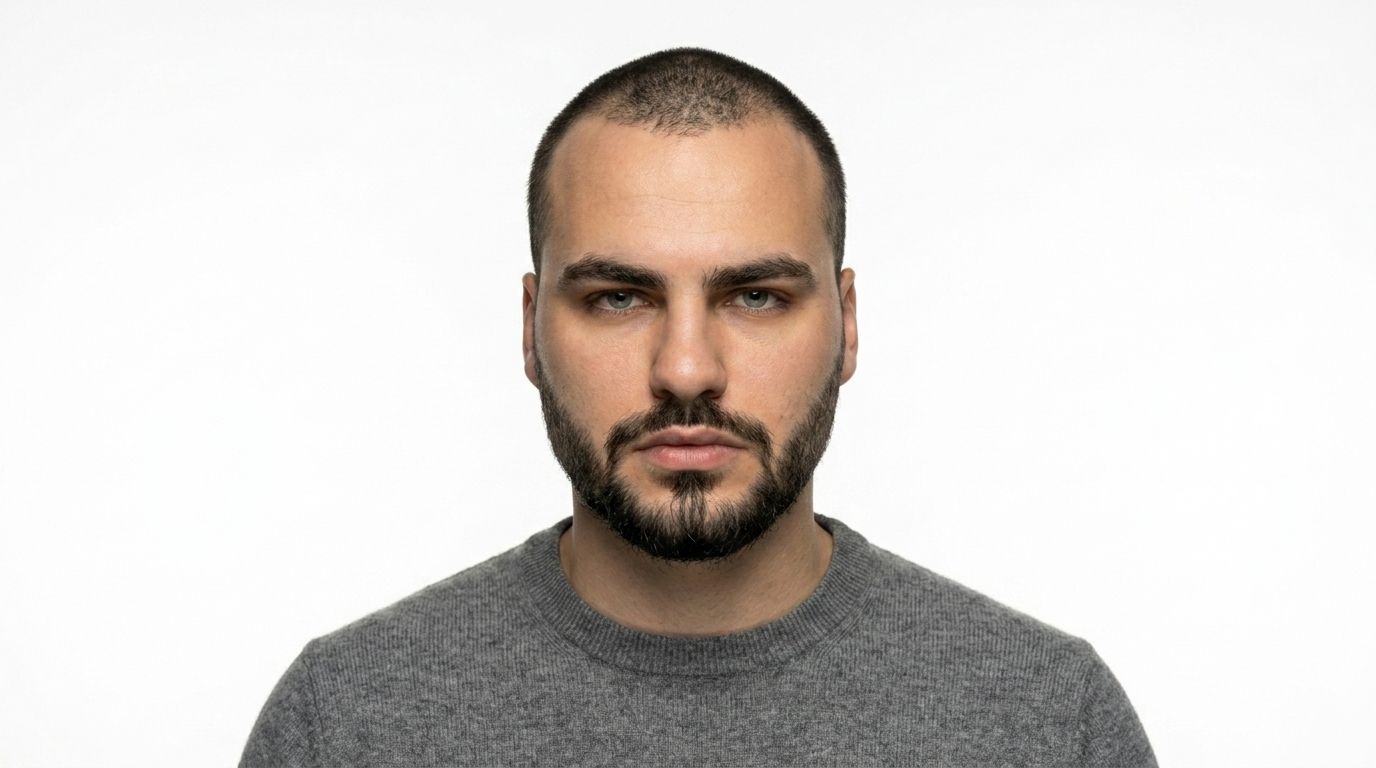
Quick answer: iron-related hair recovery is a lab-guided timeline, not a supplement guessing game
If low ferritin or iron deficiency is part of your hair-loss story, the tracking timeline should start with clinician-confirmed labs, not random iron pills. Track the diagnosis, supplementation plan, side effects, shedding, energy symptoms, and photos over months. Do not self-prescribe iron just because your hair is shedding.
Not medical advice. Folicle helps you measure and document hair-loss progress. It does not diagnose hair loss, prescribe treatment, or tell you to start, stop, or change medication. Use this as a tracking framework and bring questions to a board-certified dermatologist.
First: confirm what problem you are actually tracking
Ferritin gets discussed constantly in hair-loss forums, but ferritin alone does not explain every shed. Some studies find associations between low ferritin and telogen effluvium, while other controlled work shows the relationship is not simple. That is exactly why this belongs with a clinician.
Your tracker should record the lab value, the reference range, whether inflammation or other labs were discussed, and what your clinician recommended. “I felt low so I took iron” is not enough and can be unsafe.
Month 0: baseline before you expect visible change
Take baseline photos before the recovery story becomes emotional. For diffuse shedding, use top-down, part-line, temples, crown, and any area where scalp show-through bothers you. Also log hair wash frequency, major stress, illness, postpartum status, diet changes, and treatments already in use.
If you already have a low ferritin article open, connect it with what to track before taking iron so the timeline does not become supplement roulette.
Month 1: look for adherence and symptoms, not cosmetic regrowth
The first month is usually too early to demand visible density. Track whether you are taking the clinician-recommended plan, whether you tolerate it, and whether symptoms like fatigue, dizziness, heavy periods, digestive issues, or other concerns need follow-up.
Side effects matter. Iron can cause gastrointestinal problems and is not automatically safe because it is a supplement. If the plan is not tolerable, that is a clinician conversation, not a reason to improvise dose.
Month 2 to 3: shedding may become the first signal
Some people notice shedding changes before visible density changes. That does not prove causation, but it is worth tracking. Use wash-day notes, brushing notes, and consistent photos rather than counting every hair.
Keep the time window honest. Hair cycles lag behind the trigger and behind the correction. The calendar matters more than a single good or bad week.
Month 3 to 6: compare density only with fair photos
This is where photos become more useful. Compare baseline and current photos under similar lighting, dry hair, similar part, and similar distance. Diffuse shedding is especially easy to misread because small changes in lighting can exaggerate scalp show-through.
Use the consistent scalp photos guide and consider exporting your timeline before your next clinician visit.
When the timeline is not behaving
- Shedding is worsening despite following the plan.
- You develop new patchy loss, scalp pain, redness, or scaling.
- You have symptoms that suggest the underlying deficiency or cause is not controlled.
- Your labs do not improve or you cannot tolerate the supplement plan.
A simple Folicle tracking template
- Save lab date, ferritin value, hemoglobin if provided, and clinician plan.
- Take baseline photos before changing the routine.
- Log supplement adherence and side effects weekly.
- Review shedding monthly and photos at 90-day checkpoints.
- Export the summary before follow-up.
Where Folicle fits
Folicle is useful when the question is not “what should I take?” but “am I tracking this clearly enough to know what is happening?” The app keeps aligned scalp photos, treatment notes, reminders, and a dated timeline together so you do not have to reconstruct six months from camera-roll chaos.
If you are tracking minoxidil, start with the minoxidil before and after timeline and pair it with the consistent scalp photo guide. If you are trying to describe your pattern, use the Norwood scale tool as a label, then use photos as the evidence.
Folicle is helpful because deficiency-related shedding is easy to misread from mood and memory. The app keeps photos, notes, and follow-up dates in one place so the story stays usable for a clinician.
References
1. Iron status in diffuse telogen hair loss among women
2. Iron deficiency in female pattern hair loss, chronic telogen effluvium, and controls
3. Iron supplementation and telogen effluvium satisfaction study
4. Telogen effluvium overview and common triggers
A lab-guided timeline beats a hair-only timeline
With iron deficiency, the photo timeline is only one part of the story. The lab timeline matters too. Save the date of each ferritin or iron-related test, what the clinician said it meant, what plan was recommended, and when follow-up labs are expected. Hair photos without lab context can make the story feel more certain than it is.
This is especially important because ferritin discussions online often use different cutoffs and different assumptions. A number that worries one person may be interpreted differently depending on symptoms, inflammation, hemoglobin, medical history, and clinician judgment.
Supplement caution without fearmongering
Iron is not a harmless beauty supplement. Too little iron can matter, but too much or unnecessary iron can also cause problems. The safest content stance is simple: do not self-prescribe iron for hair loss. Test, discuss, follow the plan, and track response.
If you cannot tolerate the plan, that is not a reason to improvise. It is a reason to follow up. Different forms, schedules, causes of deficiency, or investigations may be relevant, and those are medical decisions.
Diffuse shedding photo protocol
Diffuse shedding is harder to photograph than a clear temple recession. Use the same part, same top-down angle, same dry-hair state, and same light. Avoid comparing a greasy end-of-day photo with a fresh morning photo. The part-line and top-down view are usually more useful than a random mirror selfie.
Use the consistent scalp photos guide and save a few monthly checkpoints rather than dozens of anxious daily photos.
Follow-up questions for low ferritin hair shedding
- What caused the low ferritin or iron deficiency in my case?
- What labs should be repeated and when?
- What side effects should I report from the supplement plan?
- What other causes of shedding should we keep in mind?
- What visible or shedding timeline would be realistic before follow-up?
How to connect the German story with the science
The Germany iron-deficiency story is useful because it shows the lived-experience side: someone noticing temples and diffuse gaps before understanding labs. This article is the method side: what to track, what not to assume, and how to keep clinician guidance central.
How to use this article without turning it into medical advice
This guide is written from a tracking point of view. It is not a treatment recommendation and it is not a diagnosis checklist. The safest way to use it is to collect better observations, then bring those observations to a qualified clinician. Hair loss can be genetic, inflammatory, nutritional, hormonal, medication-related, stress-related, postpartum, traction-related, or a mix of several patterns. A website cannot safely sort that out for you.
The reason Folicle exists is that people often arrive at the medical conversation with messy evidence. They have strong feelings, but weak timelines. They remember a bad shed, but not the start date. They have photos, but not comparable photos. The app tries to make the evidence layer cleaner so the medical layer can happen with less guesswork.
The minimum viable tracking setup
If you do nothing else, create a baseline, choose a review rhythm, and log every meaningful change. A baseline means the same photo zones under similar conditions. A review rhythm means you decide ahead of time when to compare, usually monthly for photos and 90 to 180 days for more serious treatment review. A change log means you write down start dates, stops, dose changes, symptoms, and major life events.
This setup is intentionally small because complicated systems die. You do not need a forty-column spreadsheet to be honest. You need a repeatable photo set, a treatment timeline, and enough symptom context that a clinician can understand the story.
Common tracking mistakes that make people quit too early
- Comparing wet hair to dry hair and calling it density loss.
- Changing lighting and interpreting the darker photo as regrowth or the brighter photo as failure.
- Starting several treatments at once and later trying to isolate the effect without dates.
- Reviewing every day instead of using planned checkpoints.
- Ignoring side effects or scalp symptoms because the person wants the treatment to work.
Most tracking mistakes are understandable. Hair loss is emotional, and emotions make people seek certainty before certainty is available. A structured timeline does not remove the anxiety completely, but it gives the anxiety less room to rewrite the facts.
What to bring into the next decision
Before changing a routine, bring three things: the baseline, the current comparable photo set, and a dated list of what changed. If you cannot produce those three things, the next decision may still be necessary, but it will be less informed. That is exactly the gap a tracking app should close.
If the next decision is medical, bring the export to a dermatologist or prescribing clinician. If the next decision is emotional, wait until the scheduled review day. The worst time to redesign a routine is usually the moment after a frightening mirror check.
Why recovery can feel invisible at first
Iron-related shedding stories are frustrating because the body timeline and the cosmetic timeline do not always match. Energy, labs, shedding, and visible density can move at different speeds. A person may feel better before hair looks different, or shedding may calm before the part-line looks denser. That is why you track several signals instead of only the mirror.
The safest review is clinician-guided and multi-signal: symptoms, lab follow-up, adherence, side effects, shedding notes, and comparable photos. Any single signal can mislead when treated as the whole story.
Next steps if you want to make this useful this week
Do not try to fix the entire hair-loss story in one sitting. Pick one baseline date, one photo setup, and one review date. Put the next review on the calendar before you start collecting more evidence. The review date protects you from using every new photo as a verdict.
Then decide what the next appointment or decision needs. If the next step is a dermatologist visit, your job is to prepare a concise timeline. If the next step is staying consistent with a routine, your job is adherence and symptom notes. If the next step is evaluating a shed, your job is to capture the pattern without changing everything at once.
A good weekly note
A good weekly note is short enough that you will actually write it: “Used treatment six out of seven days. No scalp pain. Slight itch after application. Washed hair three times. Photos taken Sunday in the same light. No decision until month three.” That note gives your future self context without becoming a second job.
A bad weekly note
A bad weekly note sounds dramatic but is hard to use: “Hair is awful, treatment is probably failing, I think I am worse.” That may be emotionally honest, but it lacks dates, conditions, and observable facts. Keep the emotion if you need to, but add the facts beside it.
The bottom line
The goal is not to become obsessed with measurement. The goal is to stop making decisions from messy evidence. Hair changes slowly, and anxiety moves fast. A calmer tracking system gives the slow thing a chance to be seen accurately.
Folicle is built around that exact gap: same photos, same zones, treatment context, and an export you can bring to a qualified clinician. Use it as a measurement tool, not a medical authority.
One more practical detail: do not compare your ferritin story to strangers
Iron and ferritin stories online can be comforting, but they can also create false certainty. Someone else may have different labs, different bleeding history, different diet, different inflammation markers, different medications, and a different diagnosis. Use stories as emotional support, not as dosing instructions. Your useful comparison is your own baseline, your own follow-up labs, your own shedding pattern, and your clinician’s plan.
Frequently asked questions
Can low ferritin cause hair shedding?
Low ferritin has been associated with telogen effluvium in some research, but the relationship is not simple and needs clinician interpretation.
Should I take iron for hair loss?
Only if a clinician confirms deficiency or recommends it. Iron is not automatically safe to self-prescribe.
How long does iron deficiency hair recovery take?
Visible change can take months because hair cycles lag. Track labs, adherence, symptoms, shedding, and photos.
What should I track after low ferritin?
Track lab dates, supplement plan, side effects, energy symptoms, shedding notes, and consistent scalp photos.
Can ferritin be normal and hair still shed?
Yes. Hair shedding can have many triggers. Ferritin is only one part of the evaluation.
Are progress photos useful for diffuse shedding?
Yes, but only if lighting, part, hair wetness, and angle are consistent.
Can Folicle tell if iron is working?
No. Folicle documents visible and routine trends. Lab interpretation belongs with a clinician.
When should I ask for help again?
If shedding worsens, labs do not improve, symptoms continue, or new scalp signs appear, follow up with a clinician.