Ways to Assess Hair Thinning: A Practical Guide
Discover effective ways to assess hair thinning. Learn clinical methods and at-home techniques to distinguish normal shedding from significant loss.
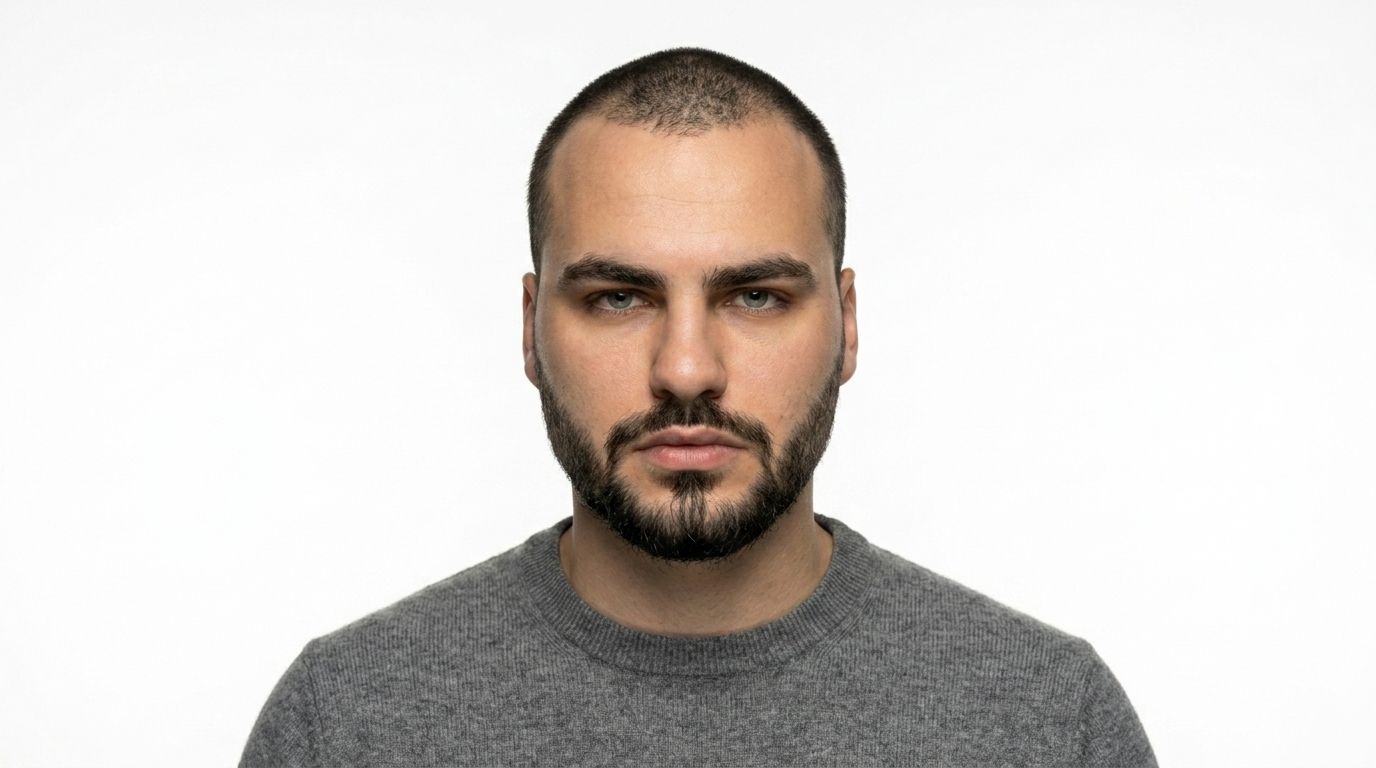
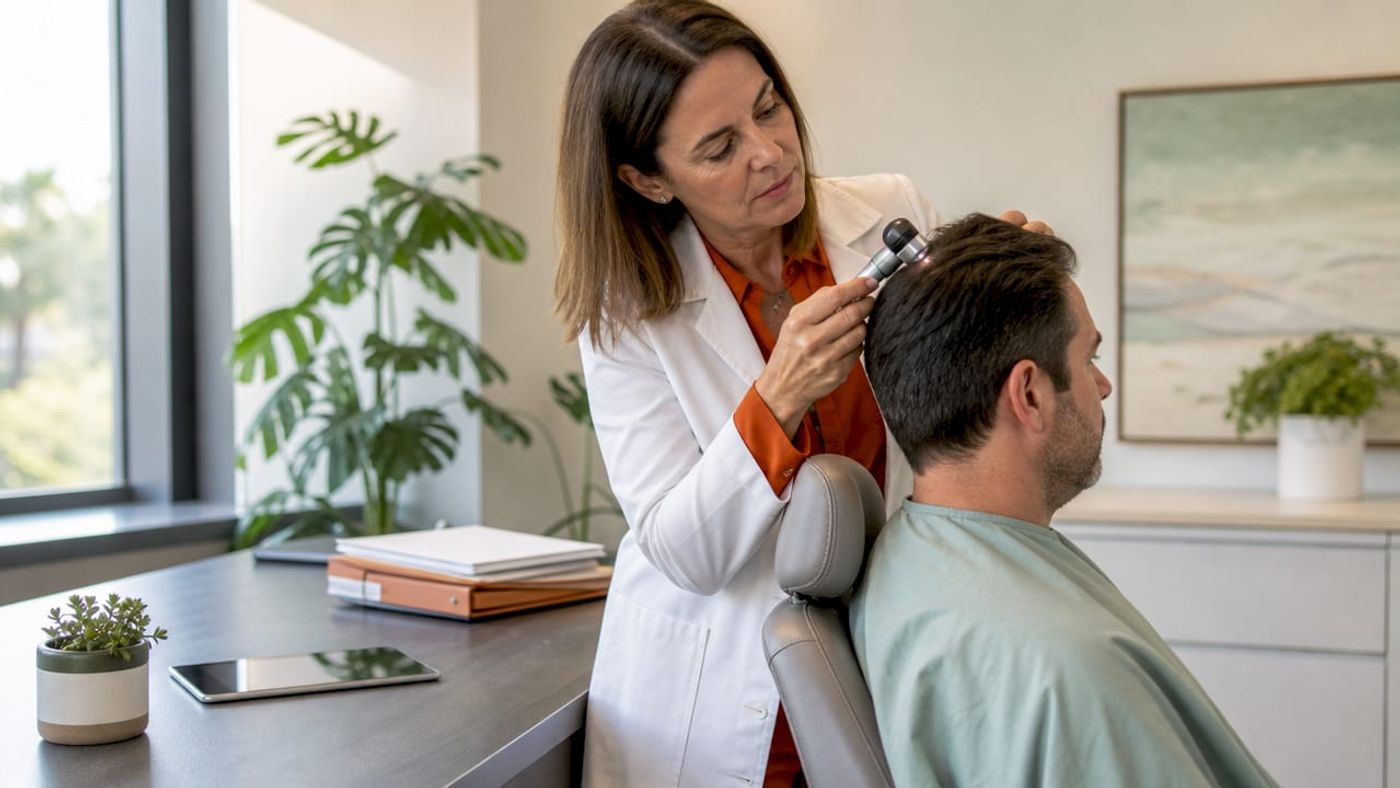
Hair thinning is defined as a gradual reduction in hair shaft diameter and follicular density, often progressing silently before any visible change appears. The ways to assess hair thinning range from clinical evaluations like trichoscopy and the hair pull test to structured at-home photography and targeted lab work. Healthy individuals shed 50–150 hairs daily, so distinguishing normal shedding from true thinning requires more than a glance in the mirror. Getting that distinction right is what separates reactive panic from informed, effective action.
What clinical methods do professionals use to assess hair thinning?
Professional hair thinning assessment, known in dermatology as trichological evaluation, follows a structured sequence. Each step builds on the last, narrowing the diagnosis from broad to specific.
The process starts with a detailed patient history. A dermatologist will ask about the onset, rate of progression, family history, recent illness, medications, and nutritional changes. This context shapes every subsequent test and prevents misdiagnosis.
Physical scalp examination comes next. Dermatologists look at the distribution of thinning, scalp texture, and the presence of inflammation or scarring. Fiber caliber variability above 20%, follicular unit density, and scalp condition are the three core markers they evaluate. These findings distinguish androgenetic alopecia from telogen effluvium and from scarring conditions.
Trichoscopy, a form of dermoscopy applied to the scalp, magnifies the skin surface to reveal follicular unit density, hair shaft diameter differences, and early miniaturization. Clinical gold-standard density measurement counts follicular units per square centimeter, with 70–100 units per square centimeter considered healthy for most adults. This level of detail requires specialized equipment and cannot be replicated at home.
Standardized clinical photography documents the scalp at fixed intervals. Dermatology guidelines recommend photographic documentation every 6–12 months for accurate longitudinal comparison. These images serve as objective evidence of change, or stability, over time.
Pro Tip: Ask your dermatologist to share copies of your clinical photos at each visit. Keeping your own record lets you compare across different clinics and gives you a baseline if you ever switch providers.
The hair pull test is a quick in-office screen. The clinician grasps 40–60 hairs near the root and pulls gently. Extracting more than 2–3 hairs consistently suggests active shedding. The pull test detects active shedding but does not diagnose pattern hair loss, because androgenetic alopecia progresses too slowly to trigger a positive result in most cases.
How can you perform effective at-home monitoring of hair thinning?
At-home monitoring works best when it follows the same logic as clinical assessment: consistency, repeatability, and patience. The biggest mistake people make is treating a casual bathroom selfie as meaningful data.
Photography is the most practical self-assessment tool available. Changing lighting or angles between photos causes inaccurate comparisons, making it impossible to tell whether your hair changed or your setup did. Reproducibility is the entire point.
A repeatable photo setup requires four fixed elements:
- Choose one location with consistent natural or artificial light, ideally a window facing north for soft, even illumination.
- Stand or sit at the same distance from the camera each time, using a fixed reference point like a piece of tape on the floor.
- Hold your head at the same angle, using a mirror or a second person to confirm the position matches your previous shots.
- Photograph the same zones every session: the crown, the hairline, and the part line. These three areas capture the most common thinning patterns.
Pro Tip: Set a recurring calendar reminder every 8 weeks to take your photos. Pair each session with a note about your current treatment, dosage, and any recent health changes. That context makes the photos far more useful when you review them months later.
Avoid daily checks. Frequent, unsystematic self-monitoring increases anxiety without improving management. Hair growth is slow enough that meaningful change takes months to appear. Daily comparisons produce noise, not signal.
Mobile apps designed for systematic hair growth tracking solve the consistency problem by standardizing the capture process. Folicle, for example, normalizes lighting and angles with AI analysis so that each photo in your timeline is directly comparable to the last. That removes the guesswork from month-to-month comparisons and gives you a clear picture of whether your treatment is working.
What simple tests can indicate hair thinning or active shedding?
Several quick self-assessments can flag a problem before you see a dermatologist. None of these replace clinical evaluation, but they give you useful information to bring to an appointment.
The hair pull test is the most widely recognized screen. Grip a small section of about 40 hairs between your thumb and forefinger, hold them close to the scalp, and pull slowly but firmly along the shaft. Releasing more than 2–3 hairs in a single pull suggests active shedding, a condition called telogen effluvium. The pull test screens for active shedding but will not catch androgenetic alopecia, which progresses too gradually to produce a positive result.
Visual signs are often the first thing people notice, and they carry real diagnostic weight:
- A widening part line, especially under direct overhead light, signals reduced density at the crown.
- A thinner ponytail circumference compared to a year ago indicates overall volume loss.
- Visible scalp through wet hair, particularly at the top of the head, points to significant thinning.
- Increased hair on your pillow, in the shower drain, or on your brush after styling suggests elevated shedding.
Visible thinning typically appears only after roughly 50% of follicular density has already been lost in the affected area. That figure underscores why waiting until you can see thinning in the mirror means the process is already well advanced.
The shower test offers a rough shedding estimate. Count the hairs that collect in the drain or on the shower floor during a single wash. Losing well above 150 hairs consistently, especially outside of seasonal shedding periods, warrants a professional evaluation.
Pro Tip: Do the hair pull test on unwashed hair that has not been brushed for at least 24 hours. Brushing beforehand removes loose hairs and can produce a false negative result.
Telogen effluvium, which causes diffuse shedding across the whole scalp, differs from androgenetic alopecia, which thins in a patterned way at the crown and temples. Knowing which type you are dealing with changes the treatment path entirely, which is why professional confirmation matters when simple tests raise a concern.
How do lab tests and biopsies contribute to accurate hair thinning diagnosis?
Lab tests identify the underlying causes that visual and trichoscopic assessments cannot detect. Many cases of hair thinning have a correctable root cause, and blood work is the fastest way to find it.
Ferritin, thyroid function, and vitamin D tests are the most commonly ordered panels for hair loss. Low ferritin, even within the technically normal reference range, is a well-documented driver of diffuse shedding. Thyroid dysfunction, both hypothyroidism and hyperthyroidism, disrupts the hair growth cycle. Vitamin D deficiency has been linked to follicular health. Hormonal panels, including DHEA-S, free testosterone, and prolactin, are added when the clinical picture suggests an androgenic or endocrine component.
The value of lab tests lies in ruling out treatable causes. If your ferritin is low and your hair is shedding diffusely, correcting the deficiency often resolves the shedding without any topical treatment. That is a very different situation from genetic pattern loss, which requires ongoing management.
Scalp biopsy is the most definitive diagnostic tool available. Punch biopsies distinguish scarring alopecias from non-scarring types and reveal the microscopic condition of follicles that trichoscopy cannot fully characterize. Dermatologists reserve biopsy for cases where clinical findings and lab results remain ambiguous, or where a scarring condition is suspected. The procedure involves removing a small core of scalp tissue, typically 4 millimeters in diameter, under local anesthetic.
Biopsy results directly influence treatment decisions. A diagnosis of lichen planopilaris, a scarring alopecia, requires anti-inflammatory therapy. A diagnosis of androgenetic alopecia points toward minoxidil or finasteride. Getting the diagnosis right before starting treatment saves time and prevents the wrong intervention from delaying real progress.
Key Takeaways
Accurate hair thinning assessment combines clinical tools, structured self-monitoring, and targeted lab work, and starting early gives you the best chance of meaningful intervention.
Why I think most people assess their hair thinning at the wrong time and in the wrong way
The most common mistake I see is people waiting until thinning is obvious before they do anything about it. By that point, roughly half the density in the affected area is already gone. The biology of hair miniaturization means the process runs silently for years before it becomes visible. Early assessment is not overcaution. It is the only way to catch something while you still have meaningful options.
The second mistake is the opposite: obsessive daily checking. Counting hairs in the shower every morning, scrutinizing the same photo taken two days apart, measuring the part line under a flashlight at midnight. None of that produces useful data. Hair grows slowly. Change happens over months, not days. Daily monitoring amplifies anxiety without adding any real information.
What actually works is a structured rhythm. A clinical evaluation to establish your baseline, standardized photos taken every 6–8 weeks with a consistent setup, and a professional review every 6–12 months. That cadence gives you enough data to see real trends without turning hair assessment into a daily source of stress.
The emotional side of this matters too. Hair thinning affects how people see themselves, and that is a legitimate concern worth taking seriously. But anxiety-driven monitoring tends to produce worse decisions, not better ones. People switch treatments too quickly, abandon regimens before they have time to work, or catastrophize normal shedding fluctuations. A calm, structured approach to tracking hair health produces better outcomes, both medically and emotionally.
My honest advice: get a baseline assessment now, build a repeatable photo system, and then step back and let time do its work. The data will tell you what you need to know.
— Lungu
How Folicle supports consistent hair thinning assessment
Tracking hair thinning accurately over months is harder than it sounds without a structured system. Most people end up with a folder of inconsistent photos that are impossible to compare meaningfully.
Folicle is built specifically for this problem. The app guides you through a repeatable photo capture process, normalizes lighting and angles with AI analysis, and organizes your images into a clear growth timeline. You can log your treatments, including minoxidil and finasteride dosages, alongside each photo so that your hair growth log reflects the full picture of your progress. The hair loss treatment tracker lets you see whether a regimen is producing results before committing to months more of the same approach. For anyone serious about monitoring their hair health with the same rigor that clinical assessments demand, Folicle provides the structure to make that possible at home.
FAQ
What is the most reliable way to check hair loss at home?
Standardized photography with consistent lighting, angle, and distance is the most reliable at-home method. Pair photos with written notes about your treatment and health status to give the images meaningful context.
How many hairs lost per day indicates thinning?
Shedding 50–150 hairs daily is considered normal. Consistently losing well above 150 hairs, particularly in a diffuse pattern across the scalp, warrants a professional evaluation.
Can the hair pull test diagnose androgenetic alopecia?
No. The hair pull test screens for active shedding phases but does not diagnose androgenetic alopecia, because pattern hair loss progresses too slowly to produce a positive result in most cases.
When should I get a scalp biopsy?
A dermatologist recommends a scalp biopsy when clinical examination and lab results do not produce a clear diagnosis, or when a scarring alopecia is suspected. It is not a routine first step.
How often should I assess my hair thinning progress?
Professional and self-assessments every 6–12 months provide the most meaningful data. More frequent checks increase anxiety without producing useful information about slow-moving hair density changes.
Recommended